
Have you ever wondered why some people seem to land small but highly paid digital gigs while others struggle to get noticed? For many, the difference comes down to how well their work is packaged. A strong digital portfolio isn’t just a collection of your projects—it’s your personal storefront, your highlight reel, and your proof that you’re worth the rate you’re asking. When done right, it can help you stand out in a world where attention spans are short and competition is stacked.
Why Micro-Gigs Are Worth Taking Seriously
Micro-gigs don’t always get the respect they deserve, but they can be incredibly strategic. They’re fast, flexible, and often pay surprisingly well when you align your skills with a client’s needs. They’re also a great way to test new income streams without overcommitting. But to consistently attract the higher-end ones, you need a portfolio that speaks for you before you even hop on a call or reply to a message.
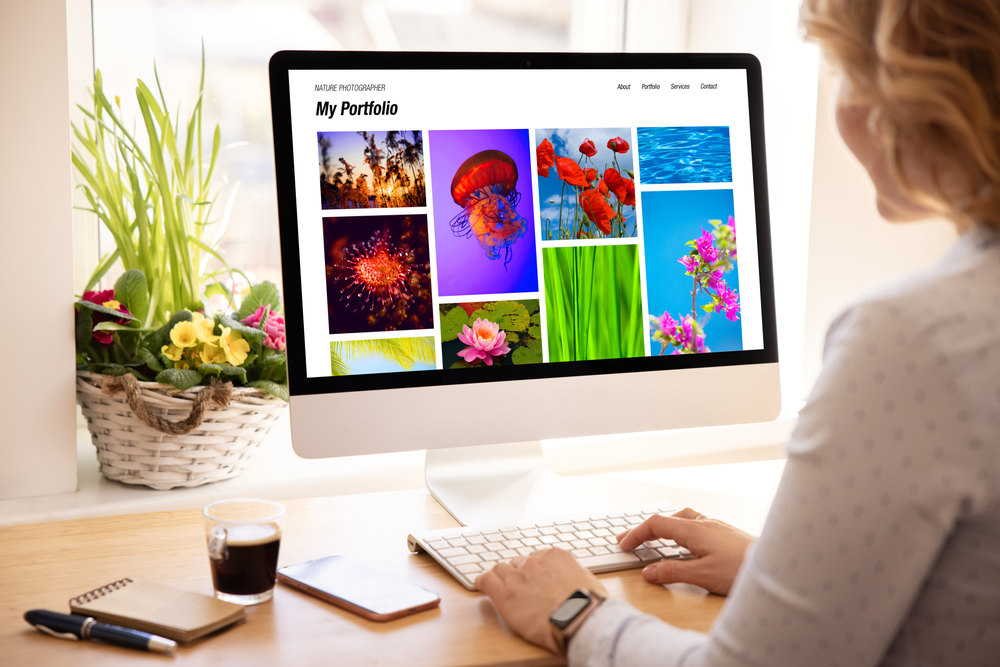
High-paying micro-gigs usually appeal to people who want fast, clean, reliable work. That means your portfolio should feel the same—easy to navigate, visually appealing, and confidently curated.
What Makes a Digital Portfolio Stand Out
Instead of treating your portfolio like a digital dumping ground, think of it as a carefully edited selection of work that defines your vibe and value. You don’t need dozens of samples. You need the right ones presented in a way that matches the kind of gigs you want.
Here are the essentials every stand-out portfolio should include.
- Your best and most relevant work, not everything you’ve ever done
- A short personal introduction that feels warm, relatable, and human
- Clear labels or descriptions for each sample so clients know what they’re looking at
- Easy navigation and clean visuals that don’t distract from your work
- A simple way to contact you or book you directly
If a portfolio takes more than a few seconds to understand, a potential client might move on. Think streamlined over flashy.
Choosing the Right Platform for Your Style
The platform you choose can play a huge role in how your work is perceived. For micro-gigs especially, clients often want to move fast and appreciate a portfolio that’s quick to access.
Some popular routes?
- Personal websites created on platforms like Wix, Squarespace, or Carrd
- Creative-focused sites like Behance or Dribbble
- GitHub for developers or tech-focused side hustlers
- Link-in-bio tools for social-first creatives and freelancers
- Google Drive or Notion for minimalists who want an ultra-simple setup
Your choice should align with the type of gigs you want. If you’re doing design micro-gigs, visuals matter. If you’re offering admin or writing support, clarity and ease might matter more than aesthetics.
Curating Samples That Show Your Range Without Overwhelming
High-paying micro-gigs often require specialized skills, but they also favor people who can work quickly and adapt. Your portfolio should showcase a range of abilities without feeling scattered. The trick is to choose samples that feel cohesive while still demonstrating variety.
- A writer might show product descriptions, ad copy, and short-form scripts
- A designer could show logos, simple marketing graphics, and UI mockups
- A tech-savvy freelancer might showcase automations, dashboards, and bug fixes
The goal is to tell a story about your capabilities without making the client guess what you actually do.
Crafting Descriptions That Add Value
You don’t need long explanations, but a little context goes a long way. A short note under each project helps clients understand your role, the problem you solved, and what tools you used. This also gives you a chance to highlight your strengths in a low-key, confident way.
Try short descriptions.
- Created social graphics for a small wellness brand to support a new product launch
- Wrote 12 product descriptions for an e-commerce shop, focusing on clarity and tone
- Developed a mini-automation to help a startup track expenses more efficiently
These small details build trust. They show that you understand not just how to create something, but why it matters.
Keeping Your Portfolio Fresh and Relevant
A portfolio isn’t a one-and-done project. If you want to stay competitive, especially in the fast-moving world of micro-gigs, keep updating it with what’s most relevant to where you’re headed—not where you’ve been.
A good rule of thumb is to refresh it every few months or whenever you shift the type of gigs you’re seeking. Remove anything that no longer reflects your best work or aligns with your current direction.
Making It Easy for Clients to Work With You
Even the most impressive portfolio won’t go far if clients have to dig for your contact info. Keep the pathway simple and intuitive.
- A short contact form
- A direct email link
- A booking calendar for quick consultations
- A link to your preferred platform for gig requests
Clients appreciate clarity. The easier you make the process, the better your chances of landing the gig—especially when they’re moving fast.
A Modern Touch That Makes You Memorable
Adding light personality to your portfolio can give it the spark that makes clients remember you. This doesn’t mean going overboard with jokes or overly casual wording. It’s more about letting your voice show through in a way that feels effortless and true to you.
A short tagline, a fun section title, or a friendly intro can make your portfolio feel like it belongs to an actual human, not a template.
A Fresh Way to Think About Your Portfolio
Building a digital portfolio that attracts high-paying micro-gigs isn’t about perfection. It’s about clarity, curation, and confidence. When your work is presented with intention and a little personality, the right clients can recognize your value instantly. And once you start landing the gigs you’re aiming for, your portfolio becomes more than a tool—it becomes your quiet, consistent hype machine.