
Can a single missing tooth affect more than you expected? Many people discover that the impact extends far beyond appearance, showing up during meals, conversations, photographs, and countless small moments throughout the day. Once replacement options enter the discussion, the number of choices can feel larger than anticipated. Understanding how dental implant clinical trials fit into that decision-making process is important to help gain a clearer perspective on the right treatment.
The Effects Often Reach Beyond The Mirror
When people think about missing teeth, appearance is usually the first thing that comes to mind. In reality, many of the frustrations show up in less obvious ways. Certain foods become more difficult to eat comfortably. Smiling in photographs may become something a person thinks about rather than something that happens naturally. Even everyday conversations can bring moments of self-awareness that were not there before.
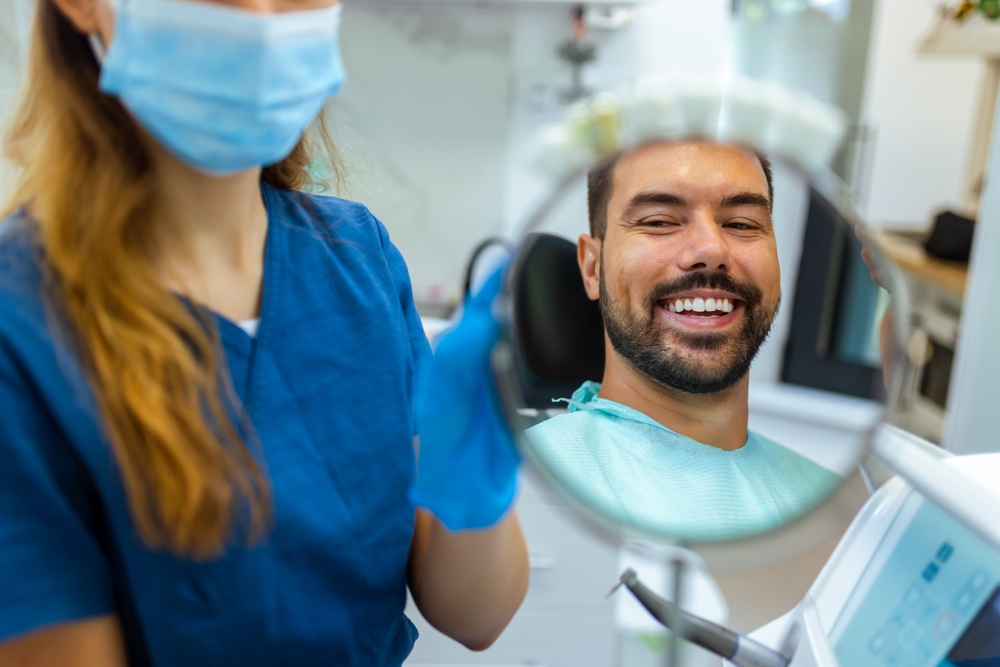
These experiences often develop gradually. Someone may adapt to a missing tooth for months or even years, adjusting habits without realizing it. Over time, however, those adjustments can become reminders that a permanent solution may be worth pursuing. That is often when dental implants begin attracting serious attention, particularly among people who want a long-term replacement option that feels stable and natural.
Why Dental Implants Draw So Much Interest
Dental implants are often viewed differently from temporary or removable alternatives because they are designed to function as a lasting replacement for missing teeth. For many people, the appeal is tied to the possibility of restoring a sense of normalcy rather than simply filling a gap.
The interest is rarely limited to aesthetics. People frequently focus on practical outcomes such as eating comfortably, speaking confidently, and maintaining daily routines without constantly thinking about their teeth. The idea of addressing the issue once rather than relying on ongoing adjustments can make implants feel like a meaningful long-term investment.
That interest naturally leads to another question: how can access to treatment be improved while still pursuing a solution that offers lasting value?
Where Dental Implant Clinical Trials Enter The Picture
Dental implant clinical trials exist to evaluate new approaches, technologies, materials, and treatment methods. While research is the primary goal, these studies can also create opportunities for participants who qualify.
For someone considering dental implants, a clinical trial may represent more than a research program. It may offer access to treatment options, specialized care, or financial advantages that would otherwise be difficult to obtain. This combination of practical benefits and treatment potential is one reason clinical trials continue to attract attention.
Rather than viewing clinical trials as separate from the treatment conversation, many people see them as one of several legitimate pathways worth exploring. They become part of the broader effort to determine which option delivers the best overall outcome.
The Financial Side Is Hard To Ignore
Cost remains one of the biggest obstacles between interest and action. Even individuals who believe dental implants are the right choice sometimes postpone treatment because of the financial commitment involved. The gap between wanting treatment and feeling ready to proceed can be significant.
This is where clinical trials often stand out. Depending on the study, participants may gain access to evaluations, procedures, follow-up care, or other treatment-related services that help reduce overall costs. While every study is different, the possibility of lowering financial barriers is often one of the first things that captures attention.
Why Cost Becomes Part Of The Clinical Trial Conversation
- Dental implants can represent a substantial financial commitment
- Some studies may help reduce certain treatment-related expenses
- Access to specialized evaluations can add value beyond the procedure itself
- Participation may create opportunities that would otherwise feel financially out of reach
For many people, the financial aspect does not replace treatment goals—it simply makes those goals feel more achievable.
Access To New Techniques Creates Additional Appeal
Another reason dental implant clinical trials generate interest is the opportunity to participate in research involving emerging techniques and technologies. Dentistry continues to evolve, and clinical studies often play a role in evaluating improvements designed to enhance outcomes, efficiency, or patient experience.
This aspect can be particularly appealing to individuals who are already committed to exploring their options thoroughly. The opportunity to learn about innovative approaches while pursuing treatment creates a level of interest that extends beyond financial considerations alone.
For some participants, the appeal comes from being part of a process that contributes to future advancements while simultaneously addressing their own treatment needs.
The Value Of Structured Monitoring
One benefit that receives less attention is the level of observation and follow-up often associated with clinical trials. Participants are typically monitored according to study requirements, creating opportunities for detailed evaluations throughout the treatment process.
Many people appreciate having additional oversight when pursuing a significant dental procedure. Regular assessments, scheduled follow-ups, and structured monitoring can provide reassurance during a treatment journey that might otherwise feel uncertain.
Areas Often Closely Monitored During Studies
- Healing progress
- Implant performance
- Treatment outcomes
- Follow-up evaluations
- Participant experiences and feedback
While specific protocols vary, this structured approach can add meaningful value for those seeking greater visibility into their treatment experience.
Looking Beyond The Immediate Outcome
People considering dental implants are often focused on solving a current problem, but long-term considerations usually influence the decision as well. Questions about durability, function, comfort, and future quality of life frequently shape how treatment options are evaluated.
Clinical trials can become attractive because they align with that long-term mindset. Participants are not simply thinking about replacing a missing tooth today. They are considering how the treatment may affect their daily lives years into the future. That broader perspective often encourages a more thoughtful evaluation of all available opportunities.
The goal is not merely to restore what was lost but to find a solution that continues delivering value over time.
Why Dental Implant Clinical Trials Remain A Meaningful Option
The impact of a missing tooth can extend far beyond appearance, influencing comfort, confidence, daily habits, and overall quality of life. Dental implants continue to attract attention because they offer a potential path back toward normalcy, and clinical trials provide another way to explore that possibility. Through potential cost advantages, access to emerging techniques, structured monitoring, and the opportunity to participate in meaningful research, dental implant clinical trials remain an option that many people find worth serious consideration when evaluating their treatment choices.