
There was a time when “eco-friendly” meant beige fabrics and a faint smell of hemp. But today, sustainability has had a glow-up. It’s sleek, intentional, and quietly luxurious - the kind of aesthetic that says effortless taste rather than I recycled this from my compost bin. More people are realizing that going green doesn’t have to clash with good design. In fact, the two can complement each other beautifully.
Whether it’s swapping out plastic bottles for matte-glass dispensers or choosing natural fibers that look and feel better, small changes can completely shift the mood of a space. Your home starts to reflect the kind of lifestyle most of us want now - one that’s thoughtful, balanced, and a little more in tune with the world outside our windows.
And the best part? These swaps aren’t just about being virtuous. They’re about living better. Eco-friendly choices often last longer, look cleaner, and create a calmer, more cohesive environment. You don’t need to gut your home or spend a fortune, just reimagine a few details with sustainability in mind.

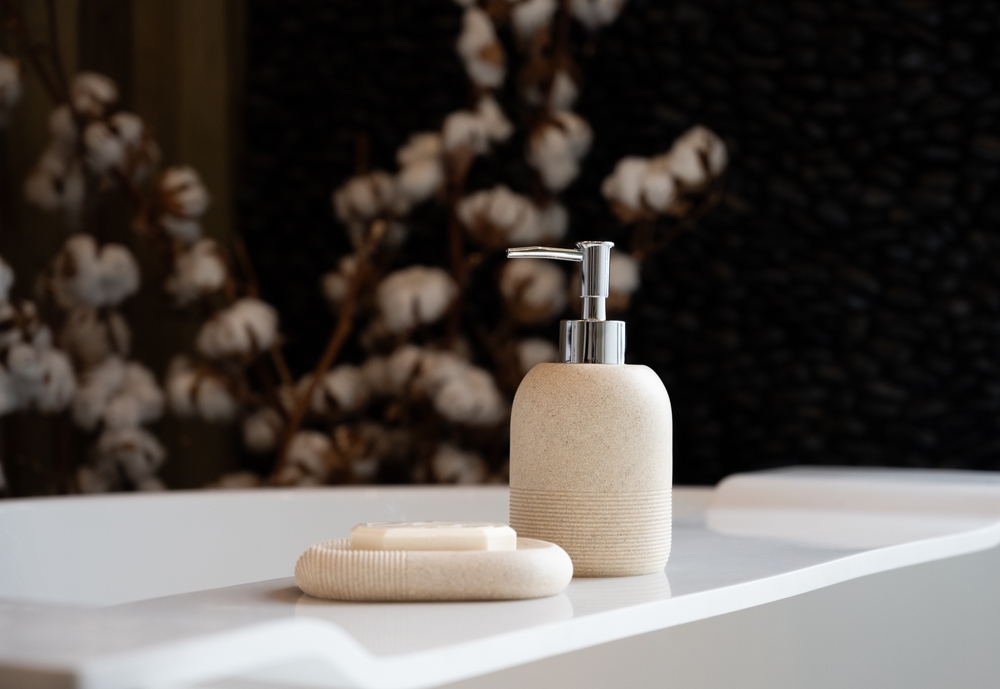
10. From Plastic Bottles to Glass Dispensers
Why It Matters
Plastic bottles sneak into nearly every corner of the home, from dish soap to shampoo, and while convenient, they’re one of the biggest contributors to household waste. Most aren’t recycled properly, and even when they are, the process still requires energy and resources. Swapping them out for refillable glass or metal dispensers cuts down on single-use plastics and instantly elevates your space.
The Stylish Option
Glass dispensers are the simplest upgrade with the biggest visual payoff. Clear or amber glass gives a clean, apothecary-inspired look that works in almost any interior style -modern, minimalist, rustic, or coastal. Stainless steel or ceramic pumps add a polished finish, while uniform labeling keeps everything feeling calm and cohesive.
Bonus Tip
Buy bulk refills or concentrated liquids to keep waste (and cost) down. Even better, find a local refill shop or delivery service that lets you top up with eco-friendly soaps and detergents. Group matching bottles on a small tray by the sink or bath, it’s a simple styling trick that turns everyday cleaning into something that actually looks good.
9. From Paper Towels to Reusable Cloths
Why It Matters
Paper towels are one of those quiet culprits that rack up more waste than we realize. They can’t usually be recycled once used, and the production process consumes both water and trees at scale. By replacing them with washable cloths, you instantly reduce your household waste, and you’ll save money in the long run too.
The Stylish Option
Reusable cloths don’t have to look like old rags. Choose ones made from organic cotton, bamboo, or linen in neutral or muted tones, they’ll age beautifully and look far more intentional than a bright paper roll. You can even keep a set of “everyday” cloths for cleaning and a few crisp ones for the kitchen or dining area. Fold them neatly or roll them into a jar or basket for a cozy, minimalist touch that says “chic sustainability” rather than “student kitchen.”
How to Style It
Display them as part of your setup instead of hiding them away. Stack folded cloths beside your sink or on open shelving. Pair them with your refillable dispensers and natural sponges for a small, satisfying eco-corner that feels pulled together. It’s one of those changes that quietly transforms a routine task into something almost, dare we say, enjoyable.
8. From Synthetic Candles to Soy or Beeswax
Why It Matters
Candles add instant atmosphere, but most mass-produced ones are made from paraffin - a petroleum byproduct that releases toxins when burned. It’s a small thing, but swapping synthetic candles for cleaner alternatives means better air quality in your home (and less invisible waste for the planet).
The Stylish Option
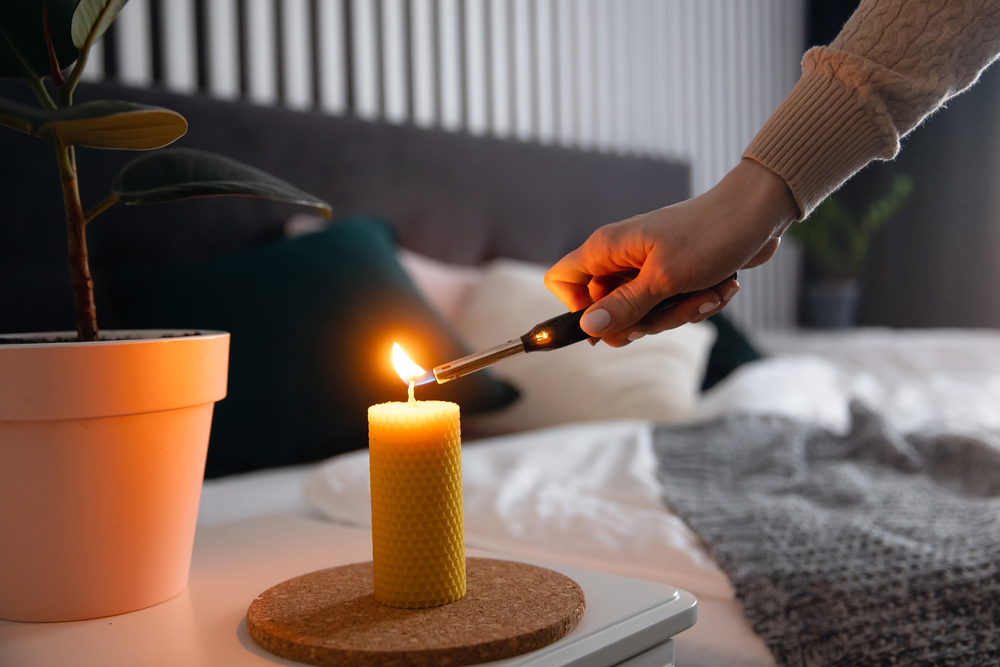
Soy, beeswax, or coconut wax candles burn cleaner and slower, giving you longer use and a softer scent. They also come in natural, minimalist containers (think frosted glass, ceramic, or recycled metal) that double as décor long after the wick has burned down. A few thoughtfully placed candles can make even the most ordinary room feel intentional.
Design Note
Choose scents that complement your space instead of overpowering it - fresh linen for bedrooms, woodsy notes for living rooms, or citrus for kitchens. Mix candle sizes and holders for a layered, warm glow, and reuse the jars later for pens, cotton pads, or tiny plants. It’s a simple swap that gives your home both atmosphere and integrity.
7. From Fast Décor to Timeless, Natural Materials
Why It Matters
Fast décor follows the same logic as fast fashion, cheap, trendy, and often short-lived. The problem is, all those plastic plant pots, synthetic cushions, and mass-produced prints usually end up in landfill after a year or two. Choosing natural, long-lasting materials not only reduces waste but gives your home more texture, warmth, and personality.
The Stylish Option
Look for materials that age gracefully rather than degrade - linen, rattan, stone, glass, wood, and clay. These aren’t just eco-friendly; they’re design classics that never really go out of style. A linen throw softens a sofa, a reclaimed wooden table adds soul, and a woven basket brings organic texture to even the most modern space. Instead of chasing trends, build a look that feels timeless and grounded.
How to Choose
If you’re updating a space, start small. Swap a plastic plant pot for a terracotta one, replace synthetic cushions with cotton or hemp, or invest in one beautiful, durable piece instead of several disposable ones. Natural materials have a quiet luxury about them - subtle, calming, and deeply, well, natural. And the bonus? They tend to last for decades, not seasons.
6. From Harsh Cleaners to Eco-Friendly Formulas
Why It Matters
Traditional cleaning products do their job, but often at a hidden cost. Many contain harsh chemicals that can irritate skin, affect indoor air quality, and harm waterways once they’re washed down the drain. Switching to gentler, plant-based formulas means you’re cleaning your space without coating it in residues you’d rather avoid.
The Stylish Option
Eco-friendly cleaners have come a long way from their vinegar-and-bicarbonate beginnings. These days, you can find natural, biodegradable solutions that actually look good on your countertops: simple labels, minimal packaging, and refillable bottles that fit beautifully into your décor. Even a set of glass spray bottles with homemade blends can make your cleaning routine feel more elevated than chore-like.
DIY Note
If you’re feeling creative, you can easily mix your own all-purpose cleaner with water, vinegar, and a few drops of essential oils. Lemon, eucalyptus, or lavender add a light scent without synthetic perfumes. Store it in a clear glass bottle, label it neatly, and you’ve got a cleaning kit that’s as pretty as it is practical. Sustainable living doesn’t always start in the recycling bin, it starts in the cleaning cupboard.
5. From Incandescent Bulbs to Warm LED Lighting
Why It Matters
Lighting is one of the easiest ways to lower your energy use, and one of the quickest to transform how a space feels. Old-school incandescent bulbs waste most of their energy as heat, while LEDs use up to 80% less electricity and last years longer. A small switch in bulbs can mean a smaller carbon footprint and a noticeably lighter energy bill.
The Stylish Option
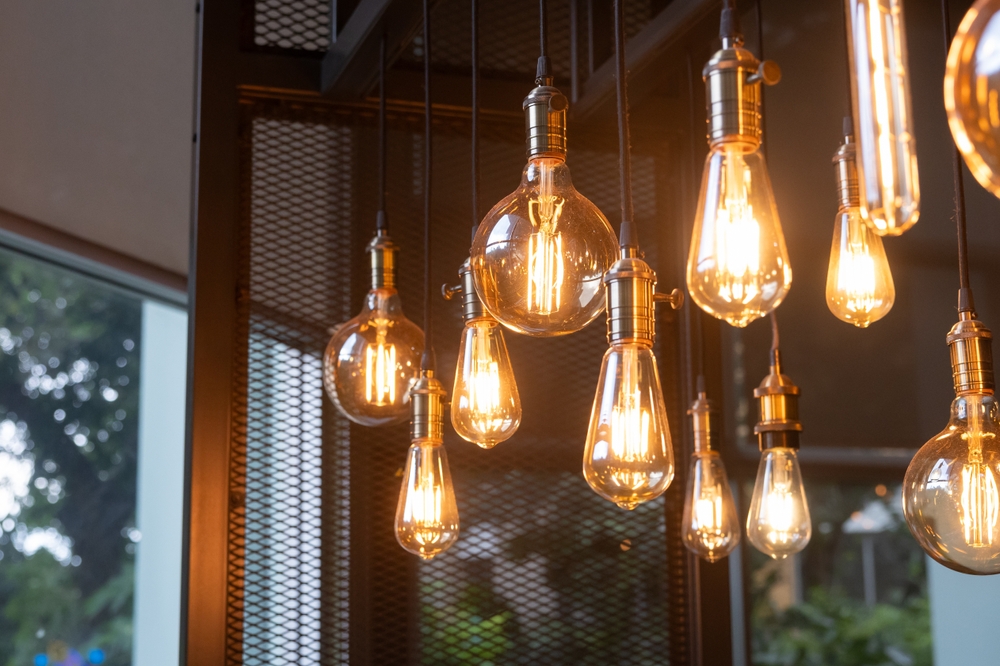
Forget the harsh, cold glow LEDs used to have. The latest versions come in soft, warm tones that mimic candlelight. Pair them with dimmers or smart plugs so you can control brightness and mood throughout the day. Clear filament-style LEDs look beautiful in exposed fixtures, while frosted options create a soft, diffused glow that flatters everything in the room.
Mood Tip
Think in layers: overhead lighting for function, lamps for warmth, and accent lights for atmosphere. Even swapping just one bright white bulb for a warm LED can make a space feel instantly cozier and more intentional. Lighting might be invisible energy-wise, but it’s one of the biggest visual upgrades you can make.
4. From Synthetic Fabrics to Natural Textiles
Why It Matters
Fabrics touch nearly every part of your day, from the sheets you sleep in to the cushions you curl up on, so the materials you choose matter more than most people realize. Synthetic fabrics like polyester, nylon, and acrylic may be cheap and durable, but they shed microplastics into the water every time they’re washed. Natural fibers, on the other hand, break down cleanly and feel noticeably better against your skin.
The Stylish Option
Cotton, linen, hemp, and Tencel bring texture, breathability, and understated elegance to any space. Swap out polyester throws for woven cotton, synthetic rugs for jute or wool, and shiny curtains for soft, natural weaves. These fabrics don’t just look better, they age beautifully, softening over time and adding character to your home.
Care Tip
Treat your textiles with the same care you’d give your clothes. Wash them in cold water, avoid fabric softeners, and air-dry when you can. If you still have synthetic items, use a washing bag designed to catch microfibers before they enter the water system. Small choices like these keep your home’s cozy details kind to the planet too.
3. From Disposable Air Fresheners to Natural Scents
Why It Matters
Those plug-ins and aerosol sprays might seem like a quick fix for freshness, but most are made with synthetic fragrances and propellants that can pollute indoor air. Over time, they mask odors rather than removing them, and release volatile organic compounds (VOCs) you probably don’t want floating around your home. Natural scent options keep the air cleaner while creating a softer, more authentic atmosphere.
The Stylish Option
Essential oil diffusers, soy wax melts, and dried botanicals are all gentle ways to bring scent into your space. A glass diffuser on a nightstand or a bowl of dried lavender on a coffee table adds both aroma and charm. Even a simple simmer pot on the stove (try adding orange peels, cloves, and cinnamon) fills the home with warmth that feels real, not chemically “fresh.”
Sensory Tip
Match scents to moments. Use grounding notes like sandalwood or cedar in living areas, light florals for bedrooms, and something bright and citrusy in the kitchen. When your home smells natural, it feels calmer, cleaner, and more personal, proof that sustainability can be as simple as breathing easier.
2. From Throwaway Items to Upcycled Treasures
Why It Matters
We’ve all been guilty of tossing out things that could’ve been transformed with a little imagination. Every discarded jar, fabric scrap, or old piece of furniture adds to landfill waste, but it also represents a missed opportunity. Upcycling or reclaiming turns what you already have into something new, reducing waste while sparking creativity.
The Stylish Option
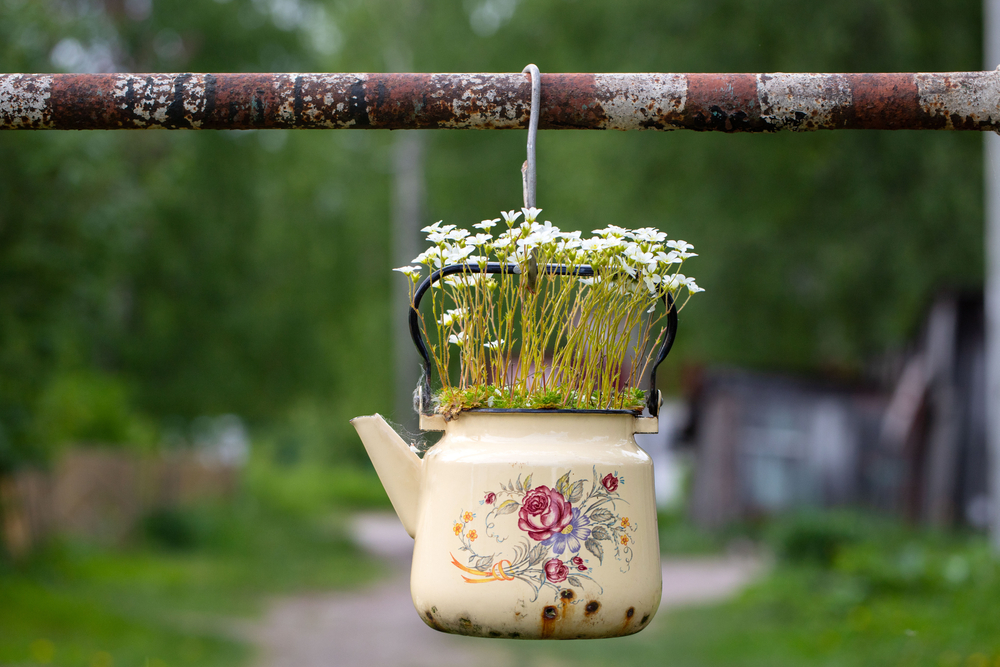
Think beyond recycling bins. Glass jars become pantry containers or candle holders, an old ladder becomes a towel rack, and a leftover tile sample transforms into a chic coaster. Even small DIYs like painting outdated frames or re-covering a cushion with leftover fabric, give your space a unique touch that’s impossible to mass-produce.
Inspiration Tip
Start by walking through your home with fresh eyes. Could that worn chair be sanded and re-stained? Could those old bottles become a vase collection? The most beautiful interiors often mix personal history with imagination - and upcycling lets you do both. It’s creativity, sustainability, and individuality in one satisfying habit.
1. From Plastic Planters to Clay & Terracotta
Why It Matters
Plants are a natural symbol of eco-living, but the plastic pots they come in are anything but. These containers often crack, fade, or end up discarded after a season. Clay, terracotta, and ceramic alternatives are biodegradable, breathable, and far better for both plant health and aesthetics.
The Stylish Option
Unglazed terracotta gives plants room to breathe and regulates moisture naturally. For a modern look, go for matte ceramic or stone planters in neutral tones. Grouping pots of different heights creates visual interest while staying cohesive. Even one swap from plastic to clay, instantly gives your greenery a more grounded, organic feel.
Care Tip
If you’re worried about weight, try fiber-clay blends - lighter but still natural. And don’t toss old plastic pots; reuse them as seed starters or for organizing drawers. Sustainability isn’t about perfection, it’s about progress with purpose.
How Eco-Minded Home Changes Usually Show Up (Aesthetic and Functional Wins)
How to Make It Stick
Sustainability doesn’t have to be an all-or-nothing project. The most lasting changes usually start small, one swap at a time. It’s less about being perfectly eco-friendly and more about creating habits that actually fit your life.
Start Simple
Choose one or two swaps that feel easy and rewarding. Maybe it’s switching to glass dispensers or adding a few natural textiles. When you see how effortless those feel, you’ll naturally want to do more.
Think Longevity, Not Perfection
Buy once, buy well. A well-made glass bottle or ceramic planter might cost a little more up front, but it’ll last years and look better doing it. Fewer, higher-quality items simplify your space and reduce waste in the long run.
Make It Beautiful
Aesthetics are your secret weapon. When your eco-friendly choices actually look good, you’ll be proud to keep using them. Matching jars, neutral tones, natural textures, they turn sustainability into part of your style rather than a chore.
Progress Over Pressure
There’s no finish line in sustainable living, just better choices, day by day. Every swap you make adds up to a calmer, cleaner, more thoughtful home. And that’s something worth celebrating.
Small Changes, Beautiful Impact
Sustainability used to feel like a statement. Now, it’s simply good taste. The minimalist, modern aesthetic that dominates interiors today (clean lines, natural textures, muted colors) just happens to align perfectly with eco-conscious living. It’s proof that what’s good for the planet can also be what’s best for design.
The beauty of a greener home is that it doesn’t scream for attention. It whispers. The soft glow of an LED bulb, the warmth of linen curtains moving in the breeze, the quiet confidence of a room that feels lived in rather than filled up, these things create a kind of comfort that no mass-produced trend can match. A sustainable home doesn’t just look better; it feels better. It breathes.
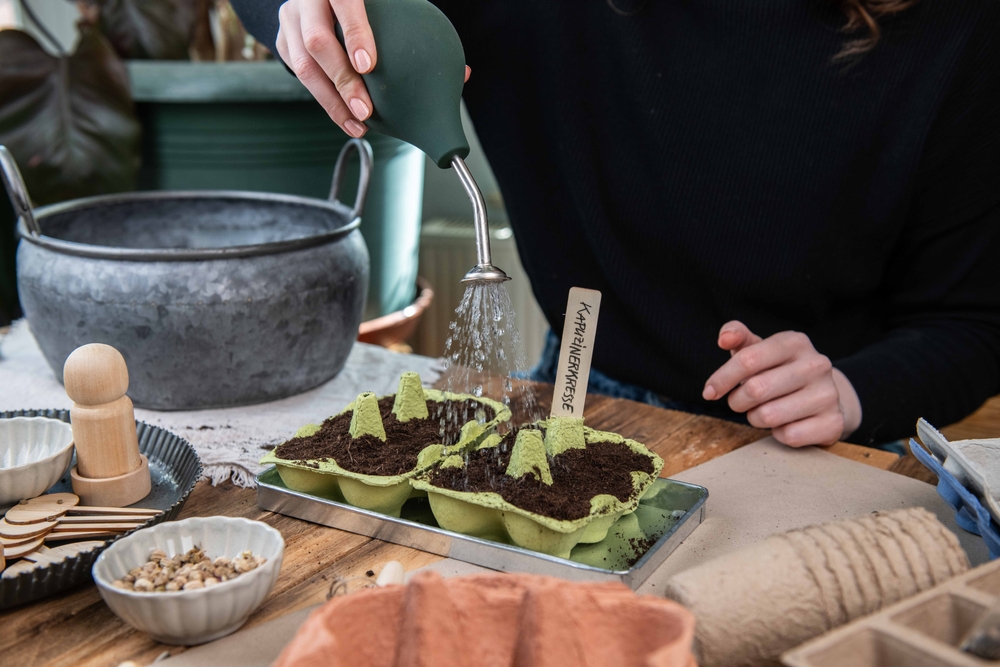
But the deeper shift happens internally. When you start making these small swaps (refilling bottles, reusing jars, upcycling instead of replacing) you begin to see your space differently. You realize that every item you own has a footprint, a story, and a purpose. The question changes from “What can I buy next?” to “How can I make what I already have last longer?” That shift is subtle, but it’s powerful.
And here’s the thing: no one’s asking for perfection. Your home doesn’t need to be zero-waste or carbon-neutral to make a difference. It just needs to reflect the kind of care and consciousness that builds over time. A greener home isn’t about restriction, it’s about refinement. Choosing fewer, better things. Creating beauty that lasts.
In the end, sustainability is simply about paying attention - to what you use, what you value, and how you live. When you make those choices intentionally, the rest follows naturally. Because when green becomes the new neutral, your home isn’t just eco-friendly. It’s effortlessly, quietly, beautifully you.