
It’s just you, your backpack, and the wide-open world. There’s something thrilling about that, isn’t there? The idea of waking up in a new city, setting your own pace, and answering to no one but your curiosity. But if you’re preparing for your first solo trip, that thrill probably shares space with a few butterflies, maybe even a little fear.
That’s normal. Stepping out alone takes guts. You’re doing something bold, something most people only daydream about. The key isn’t to eliminate the nerves, it’s to prepare in a way that makes you feel grounded enough to enjoy the ride. Because when you travel solo, you become your own safety net, travel buddy, and biggest cheerleader all at once.
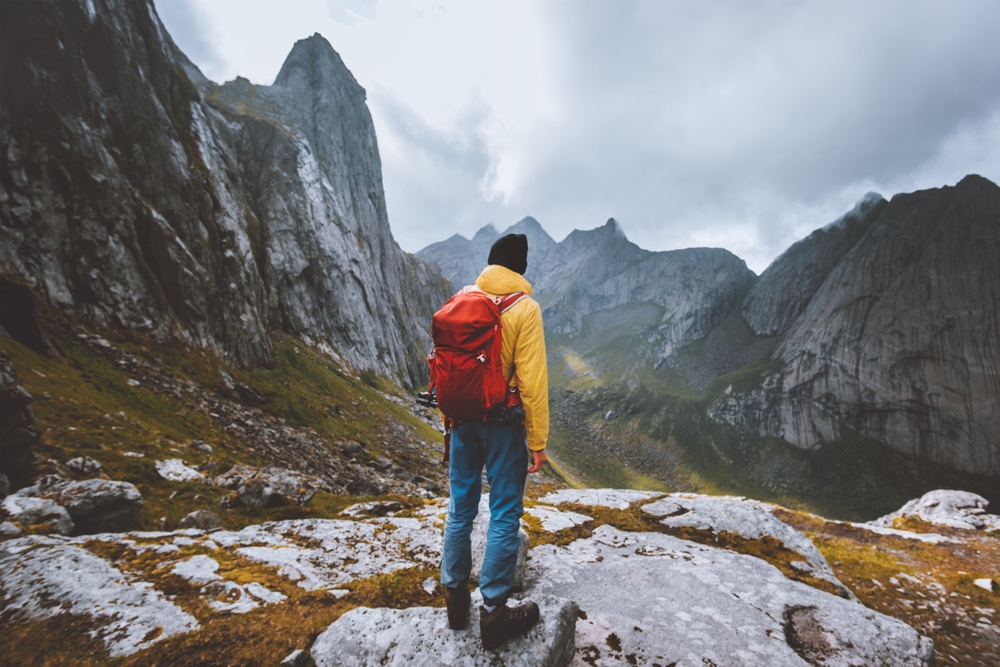

This is the moment to feel safe, confident, and genuinely free out there - not just because you’ve triple-checked your plans, but because you trust yourself to handle whatever comes your way. From smart safety habits to mindset shifts that turn fear into freedom, you have the tools to make your solo trip empowering.
So take a deep breath, grab your passport, and let’s turn that nervous energy into excitement. The world is waiting, and you’re more ready than you think.
The Mindset Shift: From Fear to Freedom
Why Solo Travel Feels Scary & Why That’s Okay
Before you even start packing, the biggest hurdle is usually mental. The “what ifs” creep in: What if I get lost? What if I feel lonely? What if something goes wrong? But those thoughts don’t mean you’re not ready, they just mean you care about your own safety and wellbeing. And that’s a good thing.
Fear is simply your brain’s way of preparing for the unknown. It’s protective, not prohibitive. The trick is to listen to it without letting it dictate your choices. You don’t need to get rid of fear before you go, you just need to make peace with it. Most solo travelers will tell you: confidence doesn’t arrive before the trip. It shows up because you went.
Start with small mindset shifts: swap “what if something goes wrong?” for “what if this turns out to be amazing?” or “what if I meet people who change how I see the world?” You’ll still take precautions - but from a place of readiness, not anxiety.
Reframing Independence as Strength
When you travel alone, you realize how capable you are in ways that everyday life rarely tests. Ordering food in a new language. Finding your way through a busy metro. Fixing a hiccup in your plans on the fly. Each small win builds a quiet, grounded kind of confidence, the kind that stays with you long after you’ve unpacked your bag.
If you’re nervous about being alone, try reframing solitude as freedom rather than isolation. You don’t have to compromise, wait for consensus, or explain your choices. You can linger at a museum, skip one entirely, or spend an afternoon doing nothing but people-watching with a coffee.
Before your trip, spend a few minutes journaling or reflecting on this: Six months from now, what do I want to remember most about this adventure? Chances are, it won’t be how perfectly things went. It’ll be how strong you felt when you realized — you were doing it all on your own.
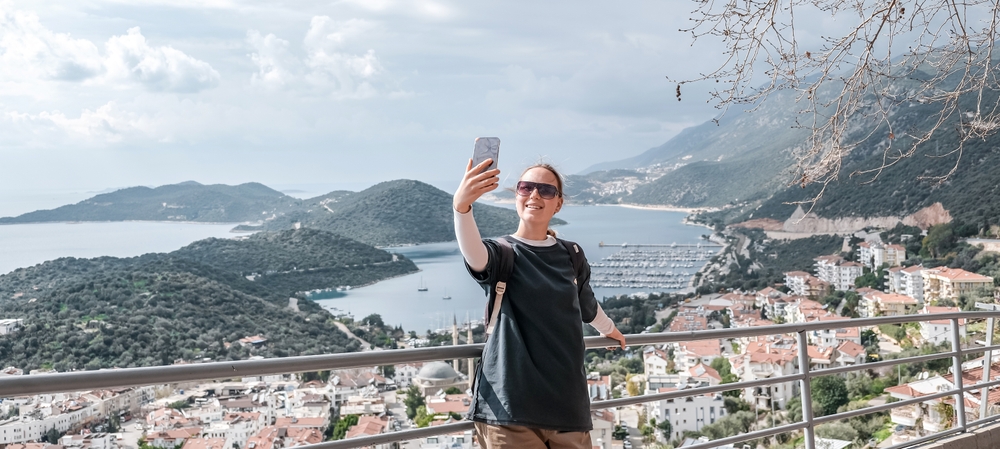
Planning Without Over-planning
The Smart Way to Prepare (Without Killing the Fun)
Planning a solo trip is part logistics, part daydream. You want to feel ready, but not so overprepared that you squeeze out all the joy of discovery. The goal? A trip that feels safe and spontaneous.
Start with the essentials.
- Travel insurance — the most unglamorous but vital item you’ll pack.
- Emergency contacts and copies — save key numbers in your phone and on paper.
- Money access — carry a mix of cash and cards, stored separately.
- Accommodation reviews — read what other solo travelers say about safety and walkability.
Then, download a few helpful apps: Google Maps (offline mode), TripIt (to organize bookings), WhatsApp (for location sharing), and Splitwise (if you end up sharing costs with new friends).
When it comes to your itinerary, plan just enough to land smoothly. Book your first few nights and know how you’ll get from the airport to your accommodation. Beyond that, let curiosity lead. Solo travel magic often happens in the moments you don’t plan, the hidden café you wander into, the street market you stumble upon.
When to Book, & When to Leave Room for Serendipity
Think of your plan as a flexible framework, not a fixed script. Over-planning can create pressure to “tick off” experiences rather than enjoy them. Leave some days open for rest, chance encounters, or spontaneous detours.
If you’re choosing your first solo destination, opt for places known for being welcoming and easy to navigate — like Japan for its safety and efficiency, Portugal for its friendly locals, or Thailand for its blend of culture and convenience.
Finally, remind yourself: preparation isn’t about control. It’s about creating the conditions that let you relax and enjoy yourself. The more confident you feel in the basics (where you’ll sleep, how you’ll get around, how to reach help if needed) the more headspace you’ll have for adventure.
Because the best travel stories don’t come from following the map perfectly. They come from the moments you let yourself wander off it.
Safety Without Fear: Smart Habits That Empower
Trust Your Gut, & Back It Up With Strategy
Safety isn’t about living in constant caution. It’s about trusting your instincts - and giving them a solid backup plan. The goal is to feel prepared, not paranoid.
Start by making safety a quiet habit rather than a source of stress. Share your itinerary and accommodation details with a trusted friend or family member before you go. Keep copies of your passport, ID, and insurance both online (in secure cloud storage) and on paper. And whenever possible, learn the local emergency number, it’s not 911 everywhere.
Your gut is your best guide. If a situation feels off in anyway, for example: a stranger asking too many questions, a poorly lit street, a bar that suddenly doesn’t feel friendly, it’s okay to step away without apology. You don’t owe anyone explanations when it comes to your safety.
Practical tools help, too. Carry a crossbody bag or money belt under your clothes in crowded areas. Download offline maps in case your signal drops. And always have a local SIM card or eSIM with data for navigation and communication. These little safeguards aren’t about fear, they’re about giving yourself freedom to relax.
Street Smarts for Every Situation
Traveling alone teaches you to read your surroundings like a pro. During the day, stay aware of landmarks so you can orient yourself without depending solely on your phone. At night, plan your route before heading out and stick to well-lit, busy streets. If you’re taking a taxi or ride-share, check that the license plate matches your app and share your route with someone back home.
When meeting new people, it’s fine to mention you’re traveling, but you don’t need to say you’re alone, especially if it doesn’t feel right. Meeting locals can be one of the best parts of solo travel, but boundaries are your best travel companion.
Also, safety isn’t just physical - it’s emotional. There may be moments when you feel uneasy, tired, or homesick. That’s part of the experience. Take breaks, call a friend, find a cozy café to regroup. Feeling vulnerable doesn’t mean you’re failing, it means you’re human.
The safest travelers aren’t the most fearful ones; they’re the most self-aware. And once you learn to trust yourself, that awareness turns into quiet confidence - the kind that makes the whole world feel just a little more open.
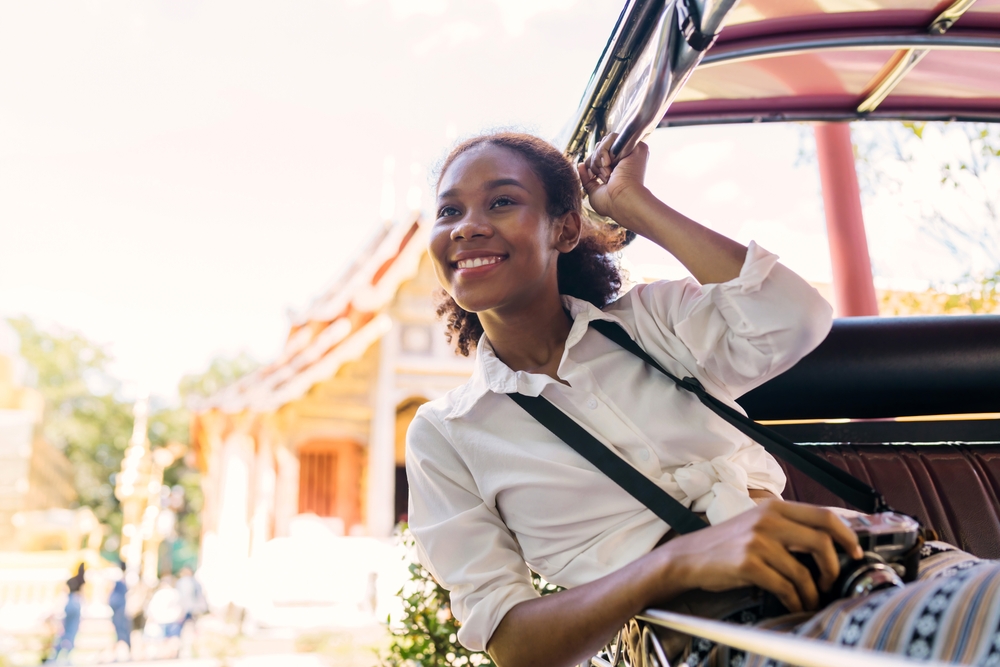
Confidence Builders on the Road
Tiny Wins That Change Everything
Confidence doesn’t appear out of nowhere the moment you land. It builds in small, everyday victories, and solo travel gives you dozens of chances to collect them.
The first time you order food in another language. The moment you navigate public transport on your own. The day you fix a mix-up without panicking. Each win chips away at self-doubt until you start to think, I’ve got this.
To make those moments stick, pause and actually acknowledge them. Keep a small journal or note on your phone for “tiny wins of the day.” It could be as simple as finding the best coffee spot or making eye contact and smiling at a stranger. You’re teaching your brain to recognize capability, and that recognition becomes confidence.
And yes, there will be wobbly days too. A delayed train, a wrong turn, a night that feels a little too quiet. When that happens, remember: every traveler has these moments. They don’t mean you’re doing it wrong; they’re proof that you’re learning to handle the unexpected on your own.
How to Handle the “What Am I Doing Here?” Moments
At some point, every solo traveler hits a wall - that quiet, unsettling moment when you think, Why did I do this alone? Maybe it’s your second night in a new city or your first dinner table for one. Instead of fighting that feeling, try reframing it as a checkpoint, not a crisis.
- Ground yourself. Take a slow breath and focus on your surroundings, the sounds, the smells, the colors. You’re safe and capable.
- Do something familiar. Listen to a playlist from home, grab a comforting meal, or call someone who makes you laugh.
- Connect when you’re ready. Join a walking tour, a cooking class, or a local event. Even brief interactions can remind you that you’re part of a bigger world.
If you catch yourself spiraling into worry, switch to curiosity: What might this moment teach me? That simple question turns uncertainty into opportunity.
Because the truth is, solo travel confidence isn’t about always feeling fearless. It’s about learning to meet the hard moments with grace - and realizing that, more often than not, you’ve got everything you need to handle them.
The Joy of Solitude: Rediscovering Yourself Abroad
Silence as a Superpower
One of the biggest surprises of solo travel isn’t the views or the food, it’s the quiet. No chatter from friends, no background noise from daily life, just you and the world. At first, that silence can feel unfamiliar, even uncomfortable. But give it time, and it starts to feel like freedom.
Without the usual distractions, you begin to tune in to your own rhythm - what you want to do, when you want to do it. You notice the details: how morning light hits your hotel balcony, the way street musicians fill the air with sound, the small thrill of realizing you’ve gone hours without checking your phone.
Solitude becomes less about being alone and more about being present. It gives you space to think, recharge, and just exist without needing to perform for anyone. That’s not loneliness, that’s liberation.
The Unexpected Perks of Doing It Your Way
Traveling solo also means total creative control over your day. You don’t have to negotiate breakfast times or agree on museum choices, you can linger where you want, skip what doesn’t interest you, and change plans on a whim. That autonomy can feel addictive in the best possible way.
You might discover new parts of yourself in the process. Maybe you realize you love getting lost in local markets, or that you’re braver than you thought when trying something completely new. You might even find that solitude sparks clarity about your life back home - what you want more of, what you’re ready to let go of.
To stay grounded, bring small comforts that make the alone time enjoyable: a journal, a playlist, a camera. These familiar anchors turn quiet moments into opportunities for reflection rather than restlessness.
Because somewhere between the solo dinners and long train rides, something shifts. You stop worrying about being alone and start loving your own company.
Staying Connected: Community & Companionship
Solo, Not Lonely
Traveling alone doesn’t mean you have to be by yourself all the time. One of the biggest misconceptions about solo travel is that it’s isolating. In reality, it often makes you more open to connection. Without familiar faces to fall back on, you naturally notice others doing the same thing.
Some of the most meaningful travel friendships happen between people who might never cross paths back home: a local café owner who remembers your order, a fellow traveler you meet on a sunrise hike, someone you share a bus seat with for eight hours and never see again. These small, serendipitous bonds add texture to your journey.
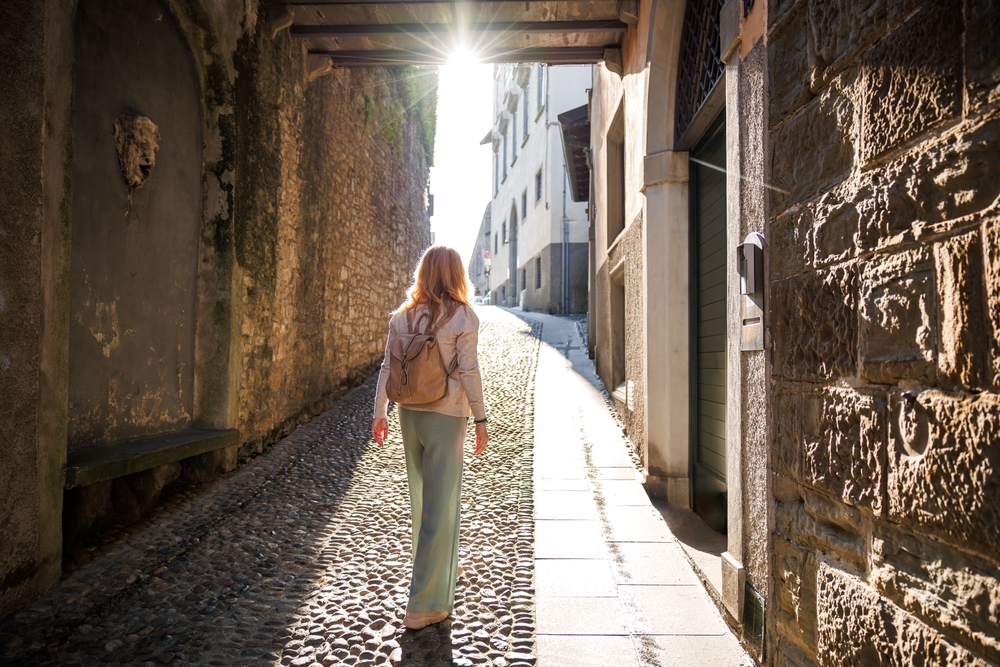
At the same time, you get to decide when and how you connect. You’re in charge of your social energy. Some days you’ll crave company; others you’ll relish the peace of your own thoughts. That balance between connection and solitude is part of what makes solo travel feel so freeing.
Finding Your People Along the Way
There are plenty of easy, safe ways to meet others when you want to.
- Join group tours or experiences. Think walking tours, cooking classes, or yoga sessions. These attract like-minded travelers.
- Stay somewhere social. Hostels, guesthouses, or boutique hotels often host communal dinners or meetups.
- Use apps mindfully. Platforms like Meetup, Bumble for Friends, or even Facebook are great for finding community activities.
When meeting new people, listen to your gut, it’s your built-in radar for safety. Trust it, but don’t let it close you off. You’ll find that kindness is universal, and most people genuinely want to help or connect.
And don’t forget to stay in touch with home, too. A quick video call or shared photo can bridge worlds without pulling you out of the moment. Because connection, whether fleeting or familiar, is what makes the world feel a little smaller, and you a little braver.
When Things Don’t Go to Plan
The Art of Handling Chaos Gracefully
Here’s a truth every traveler learns sooner or later: something will go wrong. A missed train, a closed attraction, a double-booked room, it’s almost a rite of passage. But those hiccups don’t have to ruin your trip. In fact, they often become the best stories later.
The key is to approach problems with curiosity rather than panic. Instead of thinking, Why is this happening to me? try asking, Okay, what’s the next move? That mental shift changes everything. You’re not helpless, you’re resourceful. You’ve got options, even if they don’t match Plan A.
If something truly goes off track, take a moment to breathe before reacting. Find a quiet corner, have a sip of water, regroup. Then start with what’s in your control: check maps, talk to locals, message your accommodation, or head to a nearby café with Wi-Fi to figure things out. Most travel mishaps can be fixed - and when they can’t, they often lead to something unexpected and wonderful.
Your Backup Plan Is Your Superpower
Preparation can turn chaos into confidence. Before you leave, create a small “Plan B” kit.
- A list of local emergency contacts and embassy numbers.
- Copies of important documents stored both digitally and physically.
- Backup payment options (like a secondary credit card).
- A short phrase list in the local language for common issues (“Where is the pharmacy?” or “Can you help me call a taxi?”).
These simple safeguards mean that when things go sideways, you already have tools to steady yourself.
And remember: mistakes and mishaps don’t mean you’re failing at travel, they mean you’re traveling. Everyone who’s ever gone solo has had a moment where things fell apart a bit. What matters is how you handle it. You’ll surprise yourself with how capable you are when you have no choice but to trust yourself.
Freedom Starts With Feeling Prepared
When you set out alone, you imagine the adventure - the cities, the beaches, the stories you’ll tell. What you don’t always expect is how much you change along the way. Because somewhere between figuring out train timetables, eating dinner solo, and navigating those little moments of uncertainty, you start to see yourself differently.
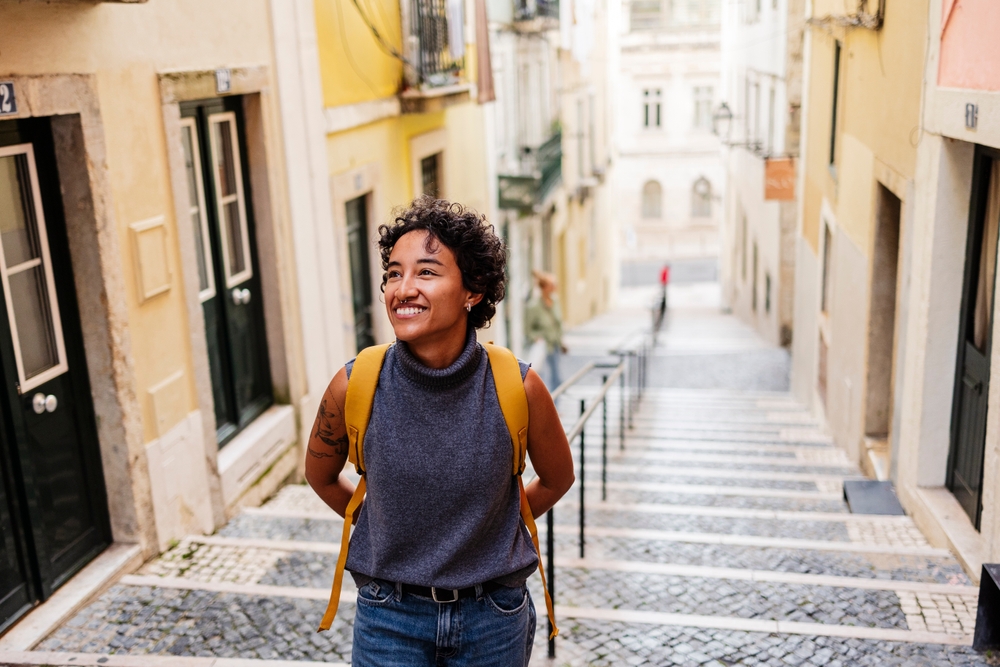
You realize you’re capable. Resourceful. Braver than you thought. The same independence that once felt intimidating starts to feel like second nature. You learn to trust your instincts, not just on the road, but in everyday life. And when you come home, that confidence doesn’t fade with the tan lines; it settles quietly into how you carry yourself.
Solo travel isn’t about escaping your life - it’s about expanding it. You return not as a different person, but as a fuller version of yourself. Someone who knows that being alone doesn’t mean being lonely, and that safety and freedom can absolutely coexist.
So, when you unpack that suitcase, don’t just sort through souvenirs, notice the shift. The calm when plans change. The ease in your own company. The pride in knowing you did something that once scared you.
That’s what makes solo travel so special. Not just the destinations, but the transformation that happens in between. You went out into the world by yourself… and came back more sure of who you are.